Where I am now
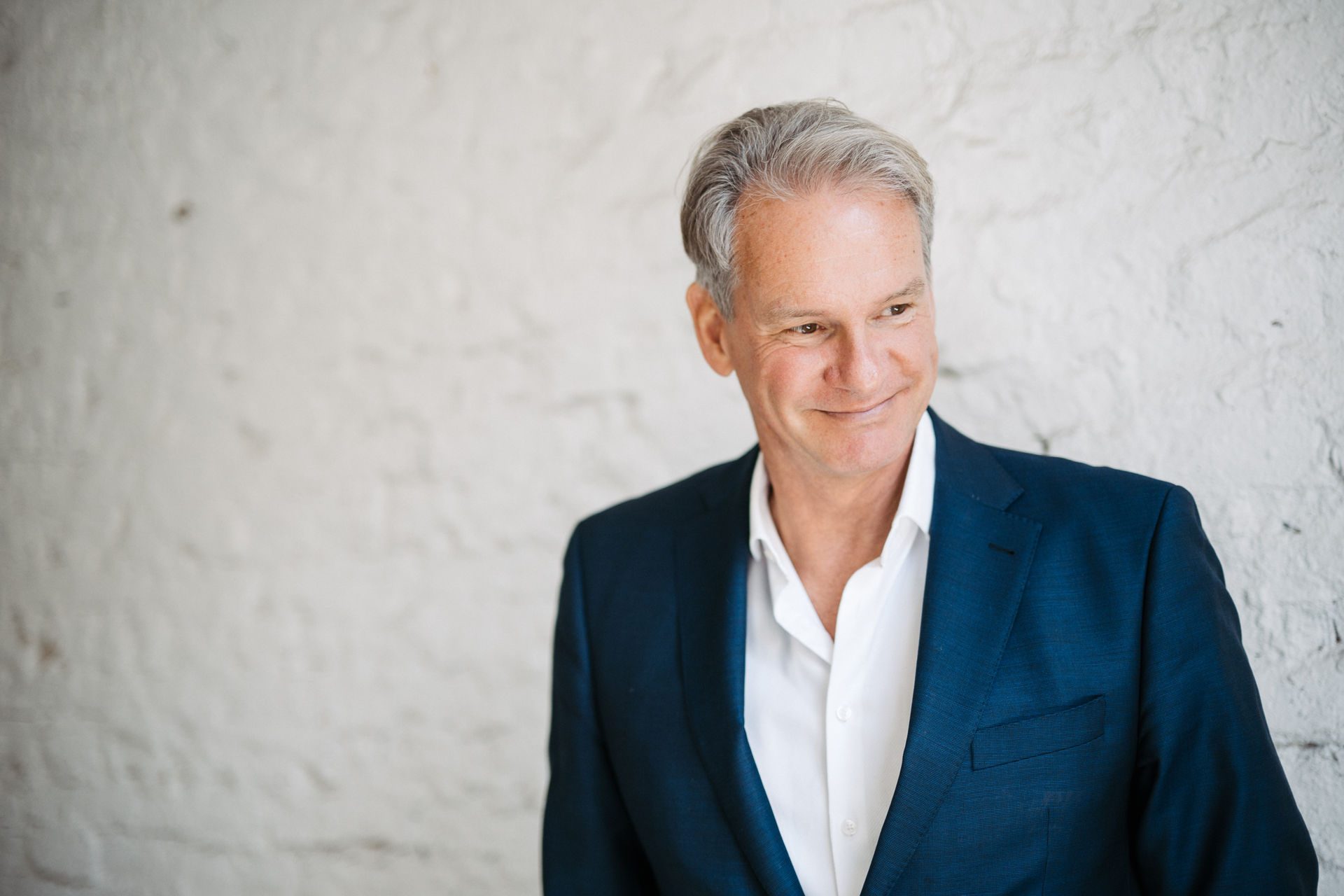
I run two companies in Berlin, ESTeam and Coreon. Both build the same thing from different directions: the infrastructure that lets enterprise AI work in every language a business actually operates in.
My third category is LangOps. I help companies operationalise language, so they are not only understood but can also understand their global customers.
How I got here
I started Trados in Stuttgart in 1984 with Iko Knyphausen. No market, no category — so we established one: CAT (Computer-Assisted Translation). Microsoft adopted it internally in 1997 and bought twenty percent of the company. By the time it went to SDL in 2005 it was over 250 people and some thirty-five million in revenue, and what we developed is still the standard today.
The sale ended in a Delaware courtroom: eight years of litigation over what a board owes common stockholders when the preferred want out. I was a director and a defendant. It is used in the Valley as a case study now. The court ruled in favour of the board. I have never read a cap table the same way since.
In 2006 I left the field altogether and founded Metaversum in Berlin — virtual cities as exact copies of real cities, VC-financed (Balderton and Grazia Equity), a thrilling time. We were early, which in this business is indistinguishable from being wrong. When it became clear the timing would not turn, I stepped back and handed the company to my CTO rather than ride it down. Twinity ran for years after that, and the footage is still on YouTube. It does not embarrass itself next to what Meta built fifteen years later with rather more money.
Since 2011 I’ve been building in Berlin again, on a conviction I’ve held since the Trados years: language should be infrastructure, like data in tables. Whoever owns multilingual knowledge will eventually own global markets.

What I believe
Half of enterprise data is text — and that text is always multilingual.
Not as an edge case. The moment a business crosses a border, so does its text — whether anyone planned for it or not.
We have had tools to process structured data for forty years. Unstructured text, for about four.
Relational databases and ERP made numbers computable across an entire organisation. Language was left out — too messy, too human. LLMs ended that, and most companies are still treating the change as a chatbot feature rather than as the other half of their knowledge coming online.
Without LangOps, companies only hear customers who speak their corporate language.
That is a selection bias, not a customer base. The customer, the supplier, the regulator, the person on the factory floor — filtered out before anyone reads them. What is left is not a smaller picture of the market. It is a wrong one.
Multilingual AI is a genuine change of state, and it isn’t free.
It runs on multilingual knowledge someone has to put there: terminology, knowledge graphs, curated content — assets most companies often already own but do not value enough. Without these you get AI fluent in every language and reliable in none.
Boards and advisory
I take board seats as a sitting CEO. That is the point, not a caveat.
Twice I have done this from the outside, for a company that was not mine. Five years at Moravia, through its sale to Clarion. Six on Summa Linguae’s supervisory board, through the acquisition that turned a localisation business into an AI data company — and eventually gave it its name, DATAmundi. Sequoia, Balderton and Hg have all sat on boards with me.
I put money into early-stage companies too, for example plusmeta, since acquired by Quanos, and Flinn in Vienna.
Open to two or three further mandates in Europe — non-executive director, Aufsichtsrat or Beirat. I am most useful to a venture- or PE-backed board where AI meets language and knowledge, and an exit is in view. And to any management team that would rather hear the uncomfortable question in the boardroom than in the data room.
Beyond my own companies
I chaired LT-Innovate, the European language technology association, for six years, and serve as its vice chairman today.
The term LangOps came from João Graça. I have spent the years since making it operational — a manifesto, a category, and a set of people who now use the word without needing me in the room.
AI is absorbing routine content creation and translation, and a great many people earn their living doing exactly that. Telling them it will be fine would be dishonest. Telling them nothing is worse. I started arguing this publicly with Sunsetting CAT in 2018, to a decidedly cool reception. It has aged well.
Speaking
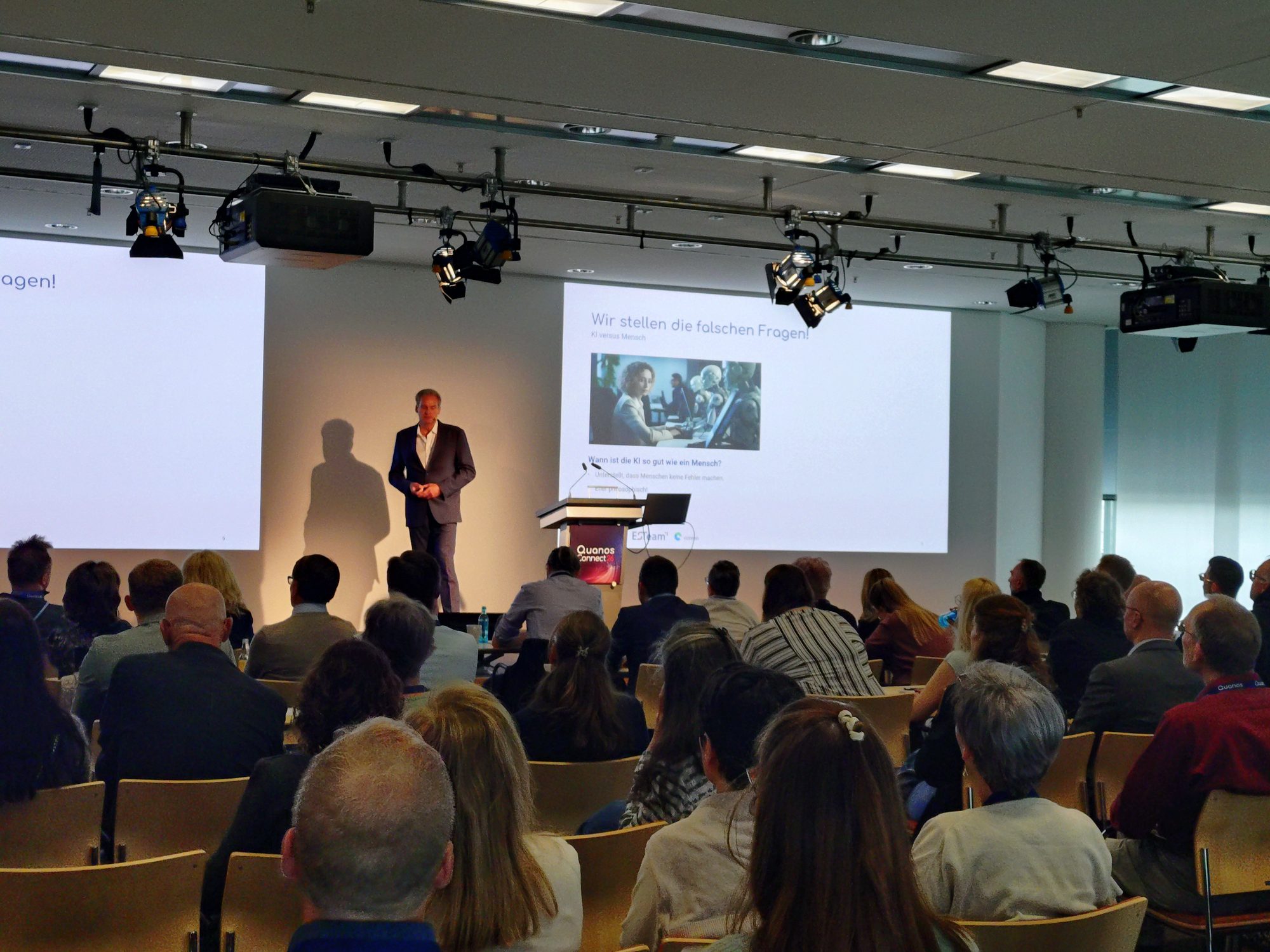
I speak about what happens to language, knowledge and work when AI stops being a demo and becomes infrastructure. Recently for JIAMCATT, GALA, TAUS and the Merantix AI Campus in Berlin. In English or German.
Operationalising language.
What to build, in what order, and who owns it once it runs. And what it is worth to the company that gets there first.
Context, not prompts.
The moat in enterprise AI is the structured, multilingual knowledge you feed the model — not the cleverness of the instruction.
Where the work goes.
The jobs this displaces, the ones it creates, and why the people who did the first are the only ones who can do the second.
I prefer a real argument to a keynote-shaped one, and I’m comfortable being contradicted on stage.
For organisers — biography and portrait
Short
Jochen Hummel co-founded Trados in Stuttgart in 1984 and established CAT, computer-assisted translation, as a category. Microsoft bought twenty percent of the company in 1997; SDL acquired it in 2005. He now runs ESTeam and Coreon in Berlin and is one of the main drivers behind LangOps.
Long
Jochen Hummel has spent four decades building software categories that did not exist when he started. He co-founded Trados in Stuttgart in 1984 and established CAT, computer-assisted translation. Microsoft bought twenty percent of the company in 1997 and SDL acquired it in 2005. He then left the field to found Metaversum in Berlin, building Twinity — virtual cities modelled exactly on real ones, backed by Balderton Capital.
Today he is CEO of ESTeam and co-founder of Coreon, and one of the main drivers behind LangOps: operationalising language so that a company is not only understood, but can understand its global customers. He chaired LT-Innovate, the European language technology association, from 2012 to 2018 and is its vice chairman today, and has served on the boards of Moravia and Summa Linguae, now DATAmundi.
Portraits
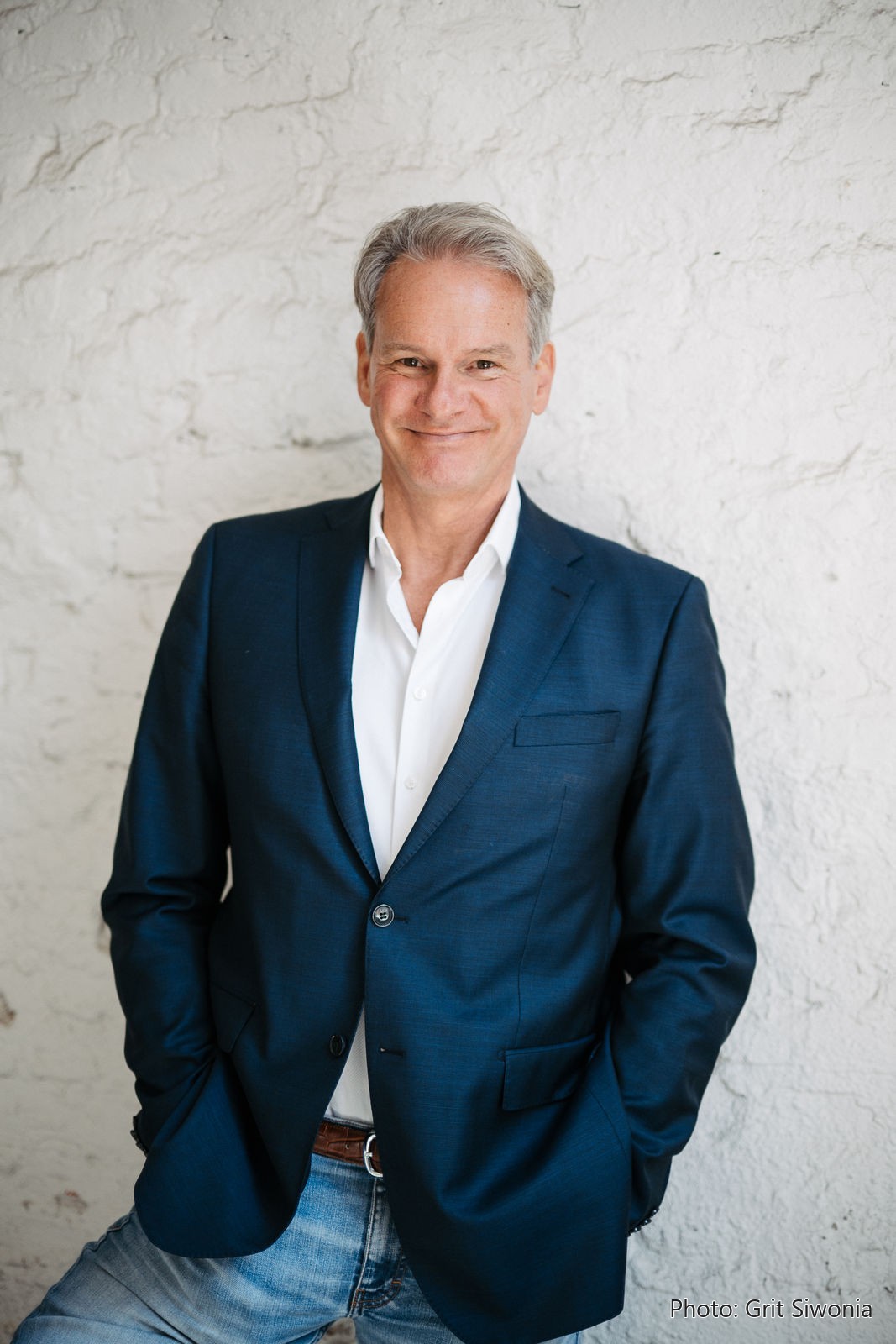
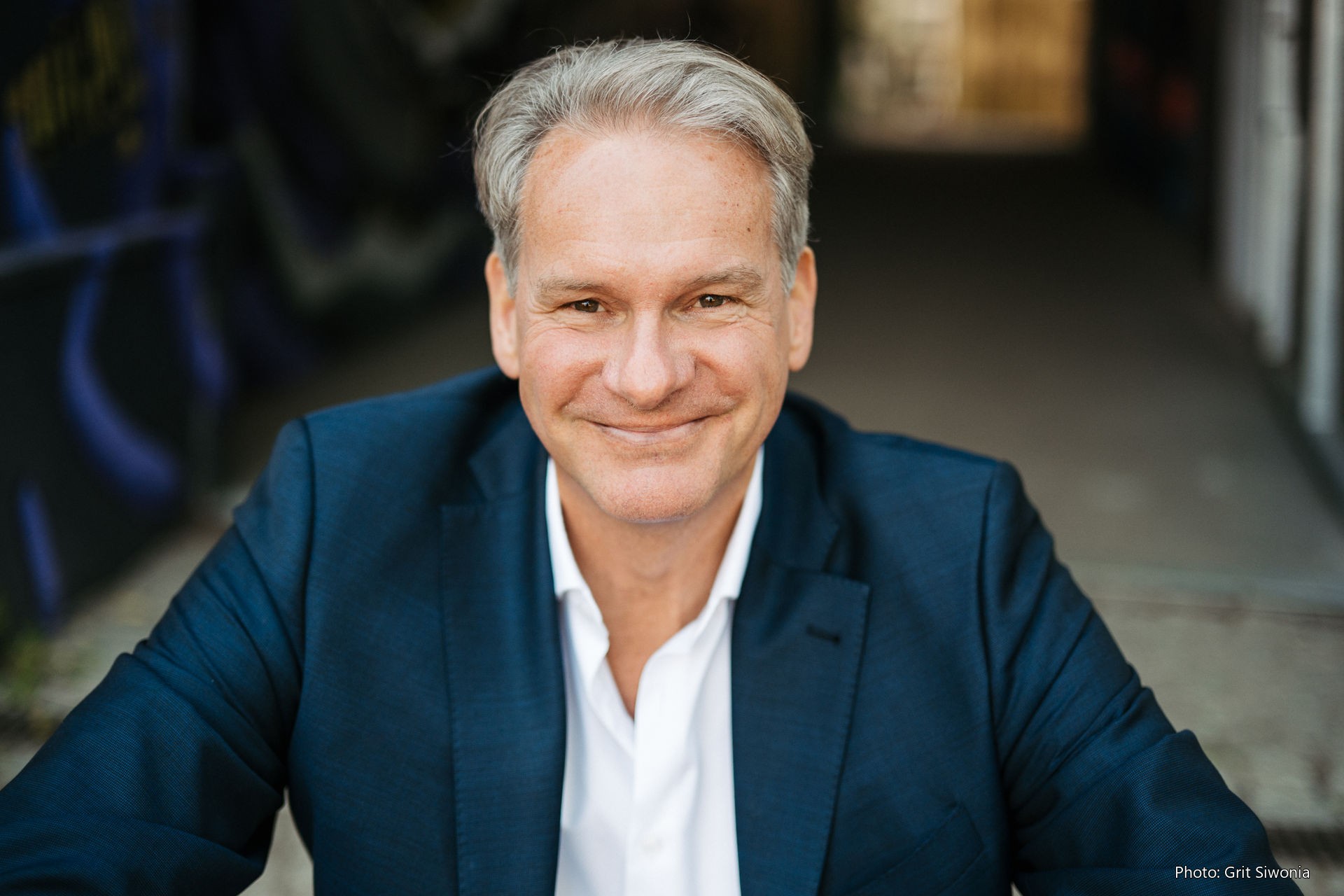
Click a portrait for the high-resolution file.